
Guided Growth
Pre-Treatment and Post-Treatment
Author
Introduction
What is Guided Growth?
Pre-Treatment and Post-Treatment
Guided growth is an innovative treatment designed to gently correct bone deformities in growing children. This minimally invasive procedure leverages the natural growth process of the bones to gradually align them into proper form, offering a life-changing solution for conditions like knock knees (genu valgum) and bow legs (genu varum). Through the use of a small device, such as an E-Plate, guided growth works by slowing growth on one side of the bone’s growth plate while the other side continues to grow at a normal pace. Over time, this controlled modulation helps the bones straighten naturally without the need for extensive surgery.
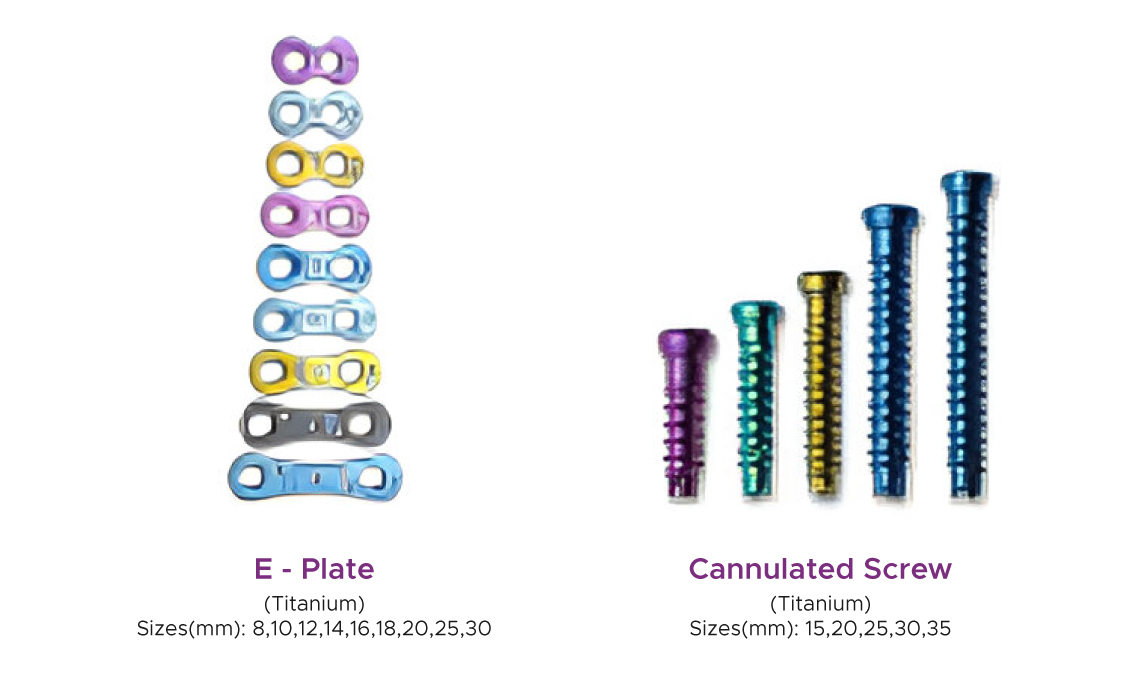
The Role of Tension-Band Plates
Tension-band plates like the E-Plate are pivotal in this process. These small medical devices act as “growth guides,” allowing precise corrections in bone alignment. Installed through a minimally invasive procedure, they are safe, effective, and offer quick recovery times for children, allowing them to return to their regular activities shortly after surgery.
Kavita’s ( Name changed for Privacy) Story: A Journey Toward Recovery
Take the inspiring case of eight-year-old Kavita Deogade, a spirited child who loves dancing and exploring.
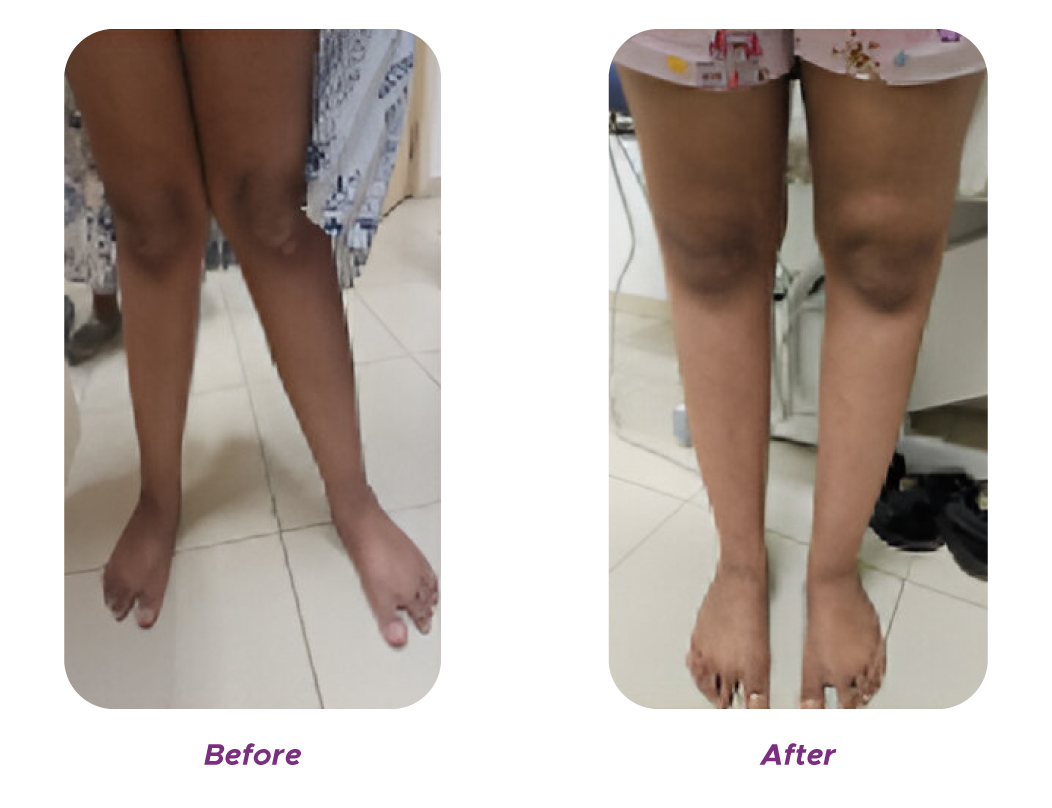
Over six months, her family noticed a change in her legs: her knees angled inward while her legs bowed outward, hindering her mobility. After a diagnosis of acquired genu valgum secondary to Vitamin D deficiency.
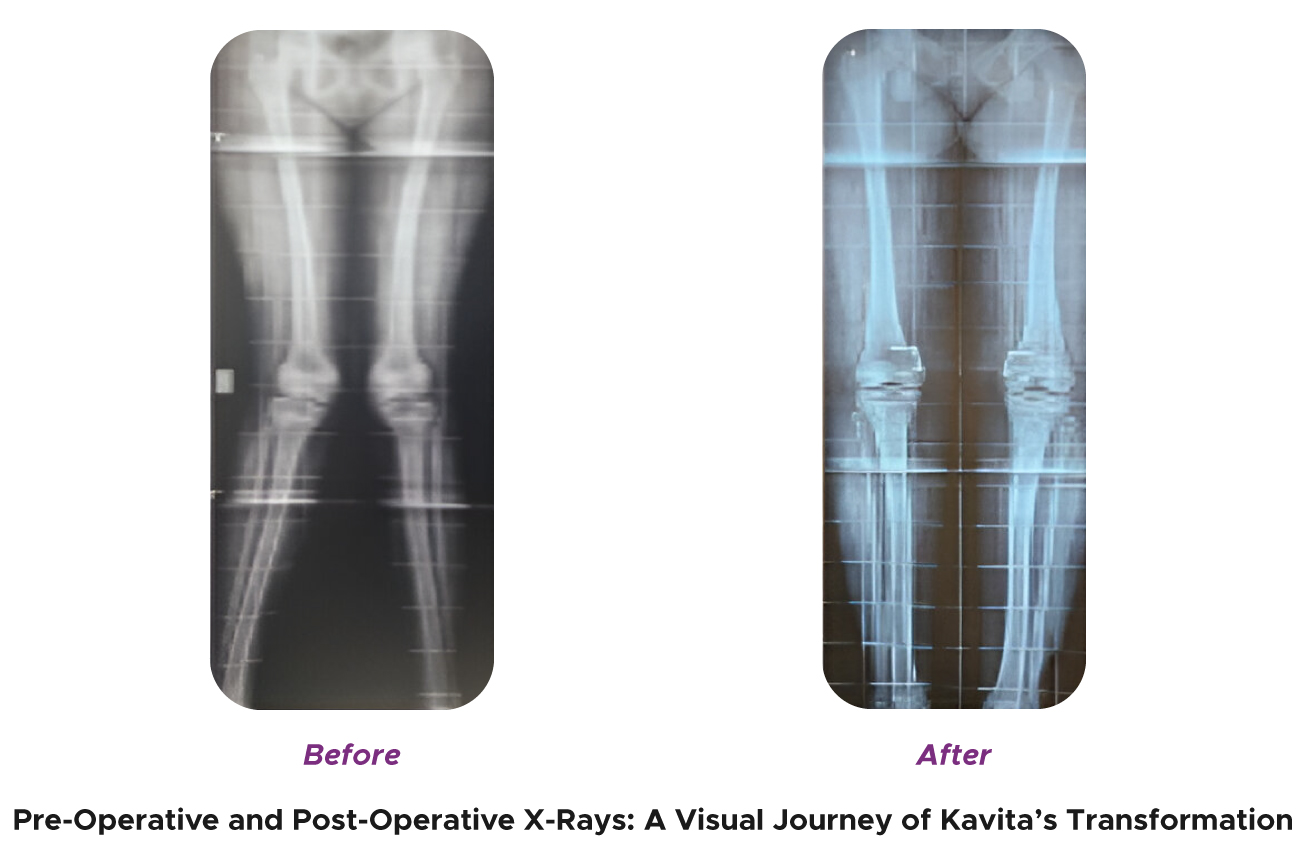
Kavita’s Intermalleolar Distance (IMD)—the space between her ankles—had increased to 25 centimeters, a significant indicator of her misalignment. Her family turned to growth modulation surgery, a procedure recommended by her trusted orthopedic surgeon, Dr. Chasanal Rathod.
The Procedure and Recovery
The surgery was a resounding success. Small tension-band plates were placed on both knees to guide her bone growth. Kavita entered the operating room with courage and emerged with hope. Her recovery, supported by physical therapy and her family’s unwavering care, marked the beginning of a transformative journey.
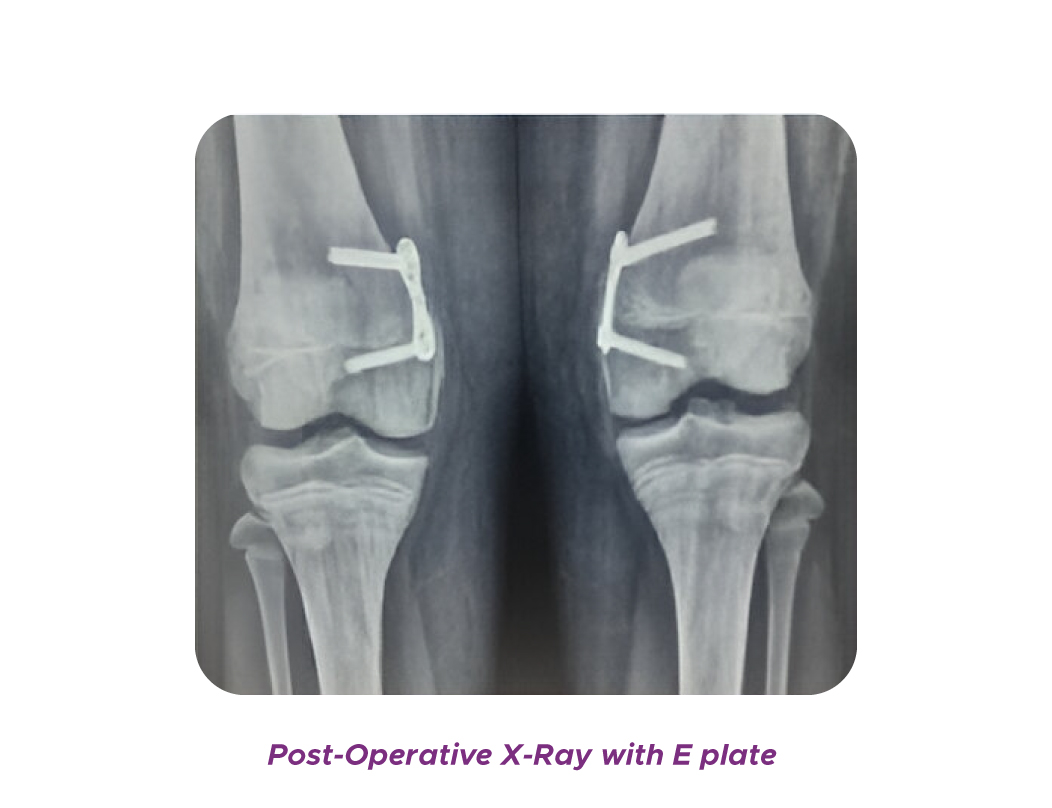
Follow-up X-rays of Kavita’s showed the implants in place, with divergence of screws which were suggestive of promising alignment correction. Kavita, with her infectious smile, is now on a steady path to regaining her mobility. Each step she takes is a testament to her resilience and the potential of modern medical advancements.
The Importance of Timing in Guided Growth
Timing is critical for guided growth to be effective. The procedure is most successful during a child’s growth phase, before the growth plates fuse into bone in early adolescence. Early intervention ensures optimal correction, while delayed treatment may limit its efficacy.
What Is Rebound?
Rebound refers to a slight return of the bone to its previous position after it has been corrected with guided growth. This can happen because the bone growth process continues even after the device is removed. It’s a natural part of the body’s growth and may result in a small amount of overcorrection or under correction.
Doctors monitor for rebound carefully during follow-up visits. In some cases, additional treatment may be needed to fine-tune the alignment. However, with proper monitoring and care, rebound is usually minimal and doesn’t significantly impact the child’s overall recovery or outcome.
Is the Timing of Guided Growth Important?
Yes, the timing of guided growth is very important! Guided growth works by using a child’s natural bone growth to correct alignment issues, so it’s most effective while the child is still growing. If the procedure is done too early, there’s a risk of overcorrection, and if it’s done too late, the child’s growth plates might already have hardened into bone, making the treatment less effective.
Doctors carefully assess the child’s age, growth stage, and the severity of the deformity before recommending guided growth. Regular follow-ups and X-rays are crucial to monitor progress and make adjustments if needed. By starting the procedure at the right time, guided growth can achieve the best possible results, helping children grow straight and strong.
The Future for Kavita and Others?
Today, Kavita’s story stands as a beacon of hope. Thanks to the revolutionary 8-Plate technology and the expertise of Dr. Chasanal Rathod, she is reclaiming her childhood. Her determination, coupled with cutting-edge treatment, illustrates the profound impact guided growth can have on young lives.
As advancements like these continue to evolve, children like Kavita will have the opportunity to live active, joyful lives—stronger with every step.
Does Guided Growth Work in Adults?
No, guided growth does not work in adults because it relies on the natural growth process of the bones, which only occurs in children and teenagers. This treatment uses devices like tension-band plates to guide the growth of bones while the growth plates are still open and active.
In adults, growth plates have already hardened into solid bone, so guided growth is no longer effective. For adults with bone alignment issues, other surgical options, such as osteotomy (bone realignment surgery), may be recommended to correct deformities.
Guided growth is specifically designed for children and teenagers, making it a safe, minimally invasive, and highly effective option for correcting bone alignment during their growing years.